





Renewable energy in Gujarat has long been associated with large solar parks and wind farms. However, a quieter transformation is now underway. Small wind power, particularly rooftop windmills, is gaining attention among homeowners and businesses looking to diversify their clean energy sources.
With rising electricity costs, growing sustainability awareness, and the push for energy independence, many in Vadodara are asking an important question: Is a rooftop windmill actually viable for homes and businesses?
This article explores the practicality, benefits, and limitations of small wind power in Vadodara and how it fits into the broader renewable energy landscape.
Understanding Small Wind Power Systems
What Is Small Wind Power?
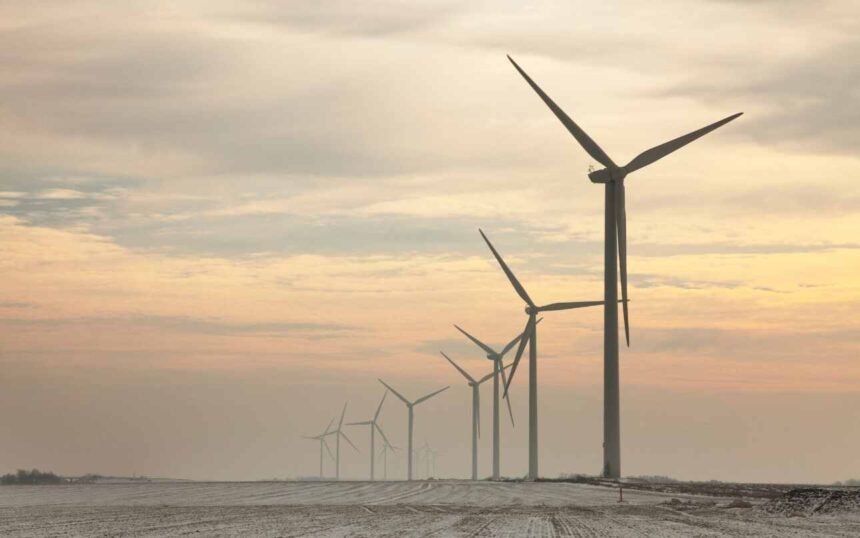
Small wind power systems use compact wind turbines designed for residential, commercial, or institutional use. Unlike large wind farms, these systems generate electricity on-site and are suitable for rooftops or open spaces.
How a Rooftop Windmill Works
A rooftop windmill captures kinetic energy from wind and converts it into electricity using a generator. The power generated can be used directly, stored, or combined with other renewable sources.
Why Gujarat Is Exploring Rooftop Windmills
Strong Renewable Energy Culture
Gujarat has been a leader in renewable energy adoption, making it a favorable environment for innovative solutions like small wind power.
Seasonal Wind Patterns
Certain regions in Gujarat experience consistent wind flows, especially during evenings and monsoon seasons, when solar energy generation may be lower.
Rising Demand for Decentralized Energy
As urban power demand increases, decentralized renewable solutions like rooftop windmills help reduce grid stress.
Is Vadodara Suitable for Small Wind Power?
Wind Availability in Vadodara
Vadodara does not experience strong wind speeds year-round like coastal or hilly regions. However, moderate winds during specific seasons can still contribute to energy generation.
Impact of Urban Structures
Tall buildings, trees, and surrounding infrastructure can disrupt wind flow. This makes site assessment critical before considering a rooftop windmill.
Small Wind Power vs Solar Energy
Comparing Energy Generation
Solar energy offers predictable daytime generation, while small wind power can generate electricity during evenings and cloudy conditions.
Reliability Considerations
Standalone rooftop windmills may not consistently meet energy needs in urban areas. This is why many installations consider hybrid configurations.
Hybrid Solar System: The Smarter Approach
Combining Solar Energy and Wind Power
A hybrid solar system integrates solar panels with a small wind turbine, ensuring energy generation across varying weather conditions.
Why Hybrid Systems Work Better in Vadodara
When sunlight is limited, wind energy may still be available. Hybrid systems balance these variations and improve overall system efficiency.
Rooftop Windmill Installation Requirements
Structural Safety and Load Assessment
Wind turbines exert dynamic loads. Rooftop structures must be evaluated for strength and vibration tolerance.
Space and Clearance Needs
Adequate clearance is required to avoid airflow obstruction and ensure safe turbine operation.
Noise and Vibration Factors
Modern small wind turbines are quieter, but noise levels must still be considered, especially in residential areas.
Cost and Financial Viability of Small Wind Power
Initial Investment Considerations
Rooftop windmills typically have higher upfront costs compared to solar energy systems of similar capacity.
Return on Investment Expectations
In areas with sufficient wind, small wind power can contribute to long-term savings. However, ROI depends heavily on site conditions and system design.
Regulatory and Approval Considerations
Local Permissions and Safety Norms
Installing a rooftop windmill may require approvals from local authorities, depending on building regulations.
Grid Connectivity and Energy Export
Some systems can export excess energy to the grid, but policies may vary by location.
Environmental Benefits of Small Wind Power
Clean Energy Generation
Small wind power produces electricity without emissions, contributing to cleaner air and reduced carbon footprint.
Supporting Renewable Energy Diversity
Diversifying energy sources strengthens resilience and supports long-term sustainability goals.
Common Challenges with Rooftop Windmills
Inconsistent Wind Speeds
Urban wind patterns can be unpredictable, affecting energy output.
Maintenance Requirements
Moving parts in wind turbines require regular inspection and maintenance.
Limited Suitability for Dense Urban Areas
In compact neighborhoods, rooftop windmills may face feasibility challenges.
Who Should Consider a Rooftop Windmill in Vadodara?
Homes with Open Roof Access
Properties with clear roof exposure and minimal obstructions may benefit more.
Commercial and Institutional Buildings
Businesses with larger rooftops or open land have greater potential for small wind power adoption.
Hybrid Energy Seekers
Those already using solar energy may find rooftop windmills useful as a complementary power source.
The Future of Small Wind Power in Gujarat
Small wind power is still an emerging segment in urban Gujarat, but technological advancements are improving efficiency and reducing noise.
As renewable energy solutions evolve, rooftop windmills may play a supporting role alongside solar energy in creating decentralized, resilient power systems.
Conclusion
Small wind power is an exciting renewable energy option, but its viability in Vadodara depends on careful site evaluation and realistic expectations. While standalone rooftop windmills may have limitations, combining them with solar energy in a hybrid solar system offers a more practical and reliable approach.
For homeowners and businesses seeking energy independence, small wind power is worth exploring—but only with informed planning and expert guidance.