




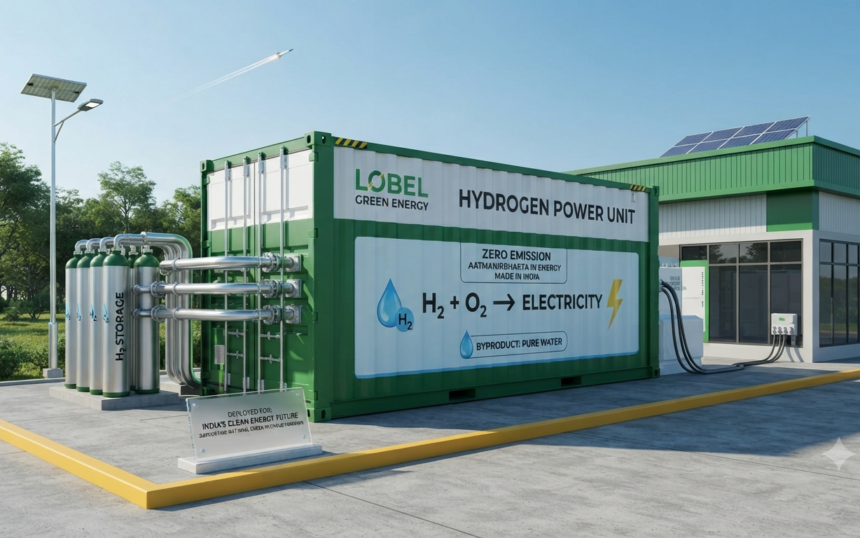
As India marches toward its ambitious Net Zero 2070 goal, the energy landscape is undergoing a radical transformation. While solar and wind have laid the foundation, the next phase of this transition requires a versatile, high-density energy carrier to tackle “hard-to-abate” sectors. Enter Hydrogen Fuel Cell (HPFC) technology—a clean, efficient, and reliable solution poised to become the bedrock of India’s future energy infrastructure.
The Science of Sustainability
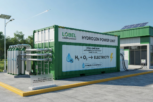
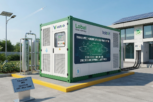
At its core, a hydrogen fuel cell is an electrochemical engine. It combines hydrogen and oxygen to produce electricity, heat, and water. Unlike traditional combustion engines that release greenhouse gases, the only by-product here is pure water. This process represents a true zero-emission cycle, offering a sustainable alternative to the fossil fuels that have long dominated our industrial and transport sectors.
Why It’s a “Game-Changer” for India
The National Green Hydrogen Mission (NGHM) is more than just a policy; it is a strategic roadmap for energy independence. Here is why HPFC technology is critical to this vision:
- Industrial Decarbonization: India’s steel and fertilizer industries are major carbon emitters. By replacing traditional grey hydrogen (derived from natural gas) with green hydrogen in the Direct Reduced Iron (DRI) process and ammonia production, India can drastically reduce its industrial carbon footprint.
- Energy Security & Import Reduction: With projects like the recent green ammonia offtake agreements with Japan, India is positioning itself as a global exporter. By producing hydrogen domestically using our vast renewable energy resources, we reduce our multi-billion dollar reliance on imported crude oil and natural gas.
- Reliable, High-Capacity Power: For data centers, telecom towers, and critical infrastructure that cannot afford grid downtime, fuel cells offer a cleaner, quieter, and more reliable alternative to diesel generators.
- Decarbonizing Heavy Mobility: While battery EVs are excellent for passenger cars, they struggle with the weight and range requirements of long-haul trucking, buses, and trains. Hydrogen fuel cell vehicles offer the fast refueling and energy density required for India’s heavy-duty transport network.
From Pilots to Reality
The transition is already underway. With over 8,000 tonnes per year of green hydrogen capacity already commissioned as of 2026 and major pilot projects deploying hydrogen-powered buses across diverse Indian topographies, the technology is moving rapidly from the lab to the road.
Key stakeholders, including industry giants and government bodies like the Solar Energy Corporation of India (SECI), are actively de-risking investments through competitive bidding and infrastructure development.
Our Commitment at Lobel Green Energy
At Lobel Green Energy, we believe that the path to a greener tomorrow is built on the foundation of innovation today. We are closely monitoring advancements in electrolyzer efficiency and hydrogen “valleys” to ensure that we remain at the forefront of this energy revolution.
Whether it is through supporting renewable energy integration or exploring the next generation of hydrogen storage and utilization, our mission is to empower a sustainable future for every Indian household and industry.
Clean Energy. Green Planet. Better Tomorrow.