




The global transition toward clean energy is creating one of the fastest-growing job markets in the world. As countries push toward sustainability and energy independence, the renewable energy sector—especially solar—is generating thousands of new career opportunities.
India, with its ambitious renewable energy targets, is witnessing a massive demand for skilled professionals in the solar sector. From solar installation technicians to system designers, engineers, project managers, and maintenance experts, the industry needs trained manpower.
For cities like Vadodara, this transition is opening doors for local youth to build future-ready careers. With rising solar adoption across homes, industries, farms, and institutions, the demand for trained solar professionals is growing rapidly.
This is where forward-thinking solar companies are playing a crucial role—not only in installing solar systems but also in developing the workforce required to power India’s clean energy future.
The Rise of Renewable Energy Jobs in India
Over the past decade, India has become one of the world’s fastest-growing renewable energy markets. Government initiatives, climate commitments, and rising electricity costs are accelerating the adoption of solar power across the country.
With programs supporting residential, commercial, agricultural, and rural electrification projects, solar energy installations are increasing every year. As a result, the demand for skilled professionals in solar installation, operations, maintenance, and system design has grown significantly.
Key Factors Driving Solar Industry Careers
Several major factors are fueling job growth in the solar industry:
- Increasing solar installations across India
- Government subsidy schemes for solar adoption
- Industrial demand for renewable energy compliance
- Rapid expansion of rooftop solar projects
- Growing rural electrification programs
Each solar installation project requires multiple specialists—from engineers and technicians to service professionals and project managers. This expanding ecosystem is creating sustainable employment opportunities across the country.
Why Solar Energy Careers Are the Future
Choosing a career in the solar industry offers long-term growth, stability, and the opportunity to contribute to environmental sustainability.
1. High Industry Growth
India has set ambitious renewable energy targets, aiming for hundreds of gigawatts of renewable capacity in the coming years. Solar energy will play a major role in achieving these goals.
This means the solar industry will continue to grow, creating long-term employment opportunities.
2. Diverse Career Opportunities
The solar sector offers a wide range of career options including:
- Solar installation technicians
- Solar design engineers
- Project managers
- Solar maintenance specialists
- Energy consultants
- Sales and technical advisors
This diversity allows individuals from technical and non-technical backgrounds to enter the industry.
3. Environmentally Impactful Work
Solar professionals directly contribute to reducing carbon emissions and promoting sustainable energy. For many young professionals, this purpose-driven career path is highly motivating.
The Demand for Solar Training in Vadodara
As solar adoption grows in Gujarat, the demand for skilled solar professionals is increasing across cities like Vadodara.
Residential solar installations, commercial rooftop systems, and industrial solar plants require trained technicians who understand system design, installation safety, electrical integration, and long-term maintenance.
Without proper training, solar installations can face issues such as:
- Reduced energy output
- System inefficiencies
- Electrical safety risks
- Improper panel placement
- Maintenance challenges
This is why structured solar installation training programs are essential to build a capable workforce.
Skills Required for a Career in Solar Energy
To succeed in the solar industry, professionals need both technical and practical knowledge.
Technical Skills
Some of the key technical skills required include:
- Solar panel installation techniques
- Electrical wiring and safety protocols
- Solar inverter configuration
- System design and capacity planning
- Solar plant performance monitoring
These skills ensure solar systems are installed safely and operate efficiently.
Practical Field Experience
Hands-on training is equally important. Solar professionals must understand:
- Roof structure assessment
- Mounting system installation
- Solar panel alignment and tilt angles
- Cable routing and protection
- System troubleshooting and maintenance
Real-world experience helps professionals confidently manage installations in different environments.
How Solar Companies Are Building the Renewable Workforce
Forward-thinking solar companies are not only installing systems but also investing in skill development programs.
By training young professionals, these companies help bridge the gap between industry demand and workforce readiness.
Training initiatives often include:
- Solar installation workshops
- Electrical safety training
- Solar system design education
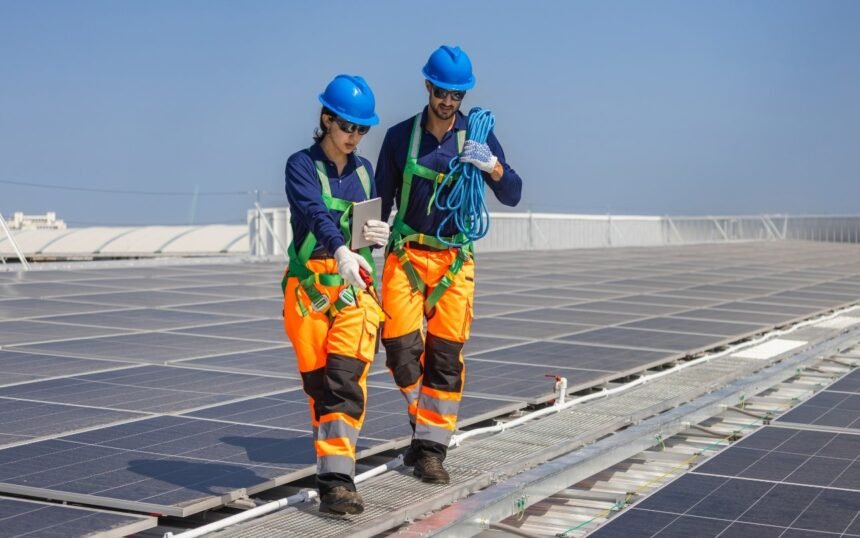
- Field practice on live installations
- Certification-based skill programs
These programs enable students and technicians to develop practical expertise that aligns with industry standards.
The Role of Lobel Green Energy in Solar Skill Development
With over 16 years of experience in renewable energy solutions, Lobel Green Energy has been actively contributing to the growth of the solar ecosystem in Vadodara and Gujarat.
Beyond delivering solar power solutions, the company also plays a role in building awareness and encouraging skill development in the renewable energy sector.
By sharing industry knowledge, offering exposure to real-world solar projects, and supporting the growth of technical expertise, the organization contributes to preparing the next generation of solar professionals.
Exposure to Real Solar Projects
Working with experienced solar companies allows young technicians and engineers to understand:
- Residential solar installations
- Commercial rooftop solar systems
- Industrial solar power plants
- Agricultural solar pump systems
This exposure builds confidence and improves practical expertise.
Learning Modern Solar Technologies
The solar industry continues to evolve with new technologies such as:
- High-efficiency solar modules
- Smart solar inverters
- Battery energy storage systems
- Solar monitoring platforms
Understanding these technologies helps professionals stay competitive in the renewable energy job market.
Solar Installation Training: Building Technical Expertise
Training in solar installation covers several key technical areas.
System Design Fundamentals
Professionals learn how to calculate system capacity based on energy consumption and roof space. This includes selecting the right solar panels, inverters, and mounting structures.
Electrical Integration
Solar technicians must understand how to connect solar systems safely with existing electrical infrastructure.
This involves:
- DC and AC wiring
- Inverter connections
- Safety disconnect systems
- Grid synchronization
Maintenance and Performance Monitoring
Solar plants require regular monitoring to maintain efficiency. Training programs teach technicians how to identify performance issues and conduct preventive maintenance.
Career Opportunities in the Solar Industry
As the renewable energy sector expands, multiple career paths are emerging for trained professionals.
Solar Installation Technician
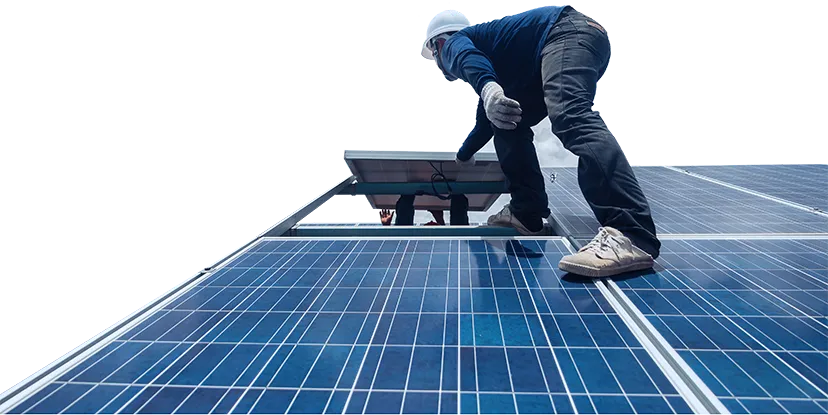
Technicians are responsible for installing panels, mounting structures, wiring systems, and ensuring proper system configuration.
Solar System Designer
Designers calculate solar system capacity, prepare layout plans, and ensure optimal panel placement for maximum energy generation.
Solar Maintenance Specialist
These professionals monitor system performance, diagnose technical issues, and perform preventive maintenance.
Renewable Energy Consultant
Consultants guide homeowners, businesses, and institutions on adopting solar solutions that match their energy needs.
The Economic Impact of Green Jobs
The growth of renewable energy jobs not only benefits individuals but also strengthens local economies.
Solar job creation contributes to:
- Skill development among youth
- Local employment opportunities
- Growth of clean energy infrastructure
- Increased entrepreneurship in renewable technologies
For cities like Vadodara, this shift toward green employment supports both economic development and environmental sustainability.
The Future of Clean Energy Careers
The future of the solar industry looks incredibly promising. With rising energy demand and climate concerns, renewable energy will play a central role in powering the world.
In India, solar adoption is expected to grow across sectors including:
- Residential housing
- Industrial manufacturing
- Agriculture
- Educational institutions
- Rural electrification
This growth will continue creating thousands of new jobs in the coming years.
Young professionals who develop skills in solar technology today will be well-positioned to lead the clean energy transition tomorrow.
Conclusion
The transition to renewable energy is not just about reducing electricity bills or protecting the environment—it is also about creating sustainable employment opportunities.
As solar installations expand across India, the demand for trained professionals is increasing rapidly. Cities like Vadodara are becoming important hubs for solar development, opening doors for youth to build meaningful careers in clean energy.
By encouraging skill development, promoting solar awareness, and supporting the growth of renewable technologies, the solar industry is shaping a future where economic growth and environmental responsibility go hand in hand.
For young professionals looking for stable, impactful careers, solar energy offers one of the most exciting opportunities of the decade.