


Call support 24/7 +91 99989 31555

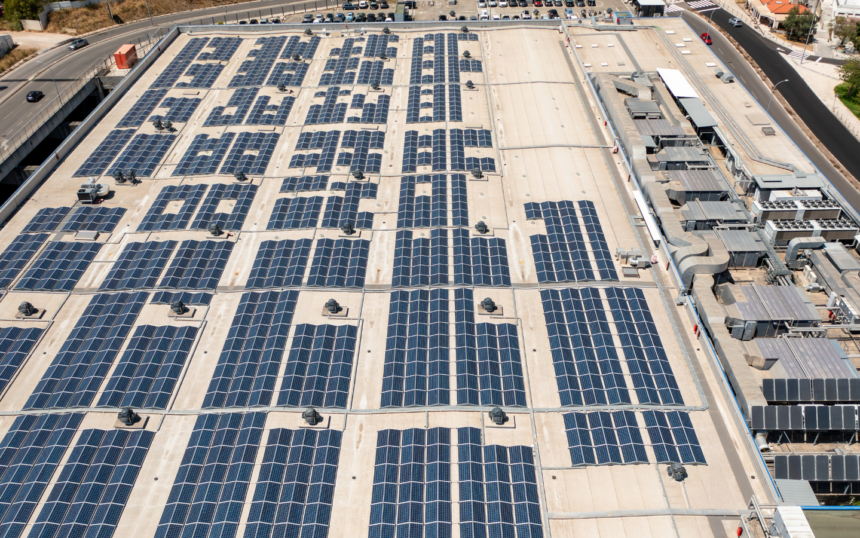
The Anatomy of a Lobel EPC Project: A Behind-the-Scenes Look at a 100kW Commercial Installation

  • Home
  • Blog
  • Solar
  • The Anatomy of a Lobel EPC Project: A Behind-the-Scenes Look at a 100kW Commercial Installation
The Government of India has taken a major step toward promoting clean energy adoption through the PM Surya Ghar Yojana, one of the most ambitious rooftop solar subsidy programs in the country. The scheme aims to encourage households to install rooftop solar systems and reduce their electricity bills by generating clean energy from sunlight. With rising electricity costs and increasing environmental awareness, many homeowners across India are now exploring rooftop solar solutions. The PM Surya Ghar Yojana provides financial assistance that makes solar installation more affordable for residential consumers. Under this scheme, millions of households can receive significant financial subsidies for installing solar systems, making renewable energy accessible to a wider population. In this guide, we will explain the step-by-step application process, eligibility requirements, subsidy structure, and how homeowners can maximize their benefits under the scheme. What is PM Surya Ghar Yojana? PM Surya Ghar Yojana is a government initiative designed to promote rooftop solar adoption among residential consumers across India. The main objectives of the scheme include: Reducing electricity bills for households Promoting renewable energy adoption Increasing solar power generation capacity Encouraging sustainable living Supporting India’s clean energy goals Through the scheme, eligible households receive financial subsidies that significantly reduce the upfront cost of installing rooftop solar systems. Key Benefits of PM Surya Ghar Yojana The scheme offers several benefits for homeowners who wish to adopt solar energy. Reduced Electricity Bills Rooftop solar systems allow households to generate their own electricity. This can significantly reduce dependence on grid power and lower monthly electricity expenses. Many households can reduce electricity bills by up to 70–90% depending on system capacity. Government Subsidy Support One of the biggest advantages of the scheme is the rooftop solar subsidy in India provided by the government. This subsidy helps reduce the initial cost of installing solar systems. Clean and Renewable Energy Solar power is a clean energy source that reduces carbon emissions and environmental impact. Long-Term Financial Savings Solar systems typically operate for 25 years or more, providing long-term electricity savings. Rooftop Solar Subsidy Structure Under the solar subsidy scheme, the government provides financial assistance based on the size of the solar system installed. The current subsidy structure generally follows this pattern: Up to 2 kW solar system: Subsidy available up to a specific percentage of the installation cost 2 kW to 3 kW solar system: Additional subsidy for the extra capacity Above 3 kW: Subsidy capped at the maximum limit defined under the scheme These subsidies significantly reduce the cost of residential solar in India, making solar installations more affordable. Eligibility for PM Surya Ghar Yojana To apply for the scheme, applicants must meet certain eligibility criteria. Residential Property Ownership The applicant must own a residential property with a suitable rooftop space for solar panel installation. Electricity Connection A valid electricity connection in the applicant’s name is required. Indian Citizenship The scheme is designed for Indian citizens installing solar systems on residential properties. Compliance with Local DISCOM Regulations Solar systems must be installed according to guidelines issued by the local electricity distribution company. Documents Required for the Application Before applying for the scheme, applicants should prepare the necessary documents. Typical documents include: Aadhaar card or identity proof Address proof Electricity bill Property ownership documents Bank account details for subsidy transfer Providing accurate documentation helps ensure a smooth application process. Step-by-Step Application Process for PM Surya Ghar Yojana Applying for the scheme involves several steps. Step 1: Register on the Official Portal Applicants must first register on the government’s rooftop solar portal using their basic details. This includes providing: Name State and district Electricity distribution company (DISCOM) Consumer number Step 2: Submit Rooftop Solar Application After registration, applicants must submit an application for solar installation subsidy. The application includes details such as: Proposed solar system capacity Installation location Contact information Step 3: Technical Feasibility Approval The electricity distribution company reviews the application and assesses whether the property is suitable for rooftop solar installation. Once approved, the installation process can proceed. Step 4: Solar System Installation After receiving approval, the applicant can install the solar system through an authorized solar vendor. The installation must comply with government standards and safety regulations. Step 5: Net Metering Installation A net meter is installed to measure the electricity generated by the solar system and the power exported to the grid. This system allows homeowners to receive credit for excess electricity produced. Step 6: Inspection and Commissioning The DISCOM inspects the installed system to verify compliance with technical guidelines. After approval, the system is officially commissioned. Step 7: Subsidy Disbursement Once the system is operational and verified, the subsidy amount is transferred directly to the applicant’s bank account. How to Maximize Your Solar Subsidy Benefits Homeowners can take several steps to maximize their benefits under the PM Surya Ghar Yojana. Choose the Right System Size Selecting the appropriate system size based on household electricity consumption helps maximize savings and subsidy benefits. Use Approved Solar Vendors Installing systems through authorized vendors ensures compliance with government standards and eligibility for subsidies. Install High-Quality Solar Components Quality solar panels and inverters ensure better performance and longer system lifespan. Optimize Rooftop Space Efficient solar system design maximizes electricity generation and improves return on investment. Solar Installation in Gujarat Under the Scheme Gujarat has been one of the leading states in rooftop solar adoption. Strong sunlight availability, supportive policies, and public awareness have accelerated solar installation in Gujarat. Many households in cities like Vadodara, Ahmedabad, and Surat are already benefiting from rooftop solar systems under government subsidy programs. With the support of PM Surya Ghar Yojana, even more households can now access affordable solar energy. Long-Term Benefits of Residential Solar Systems Installing rooftop solar provides several long-term advantages. Reduced Energy Expenses Solar systems significantly reduce electricity bills by generating power onsite. Energy Independence Homeowners become less dependent on grid electricity. Environmentally Friendly Power Solar energy reduces carbon emissions and supports sustainable living. Increased Property Value Homes equipped with solar systems often have higher market value due to reduced energy costs. Choosing the Right Solar Installation Partner Installing rooftop solar systems requires technical expertise and compliance with government regulations. A trusted solar provider can help homeowners with: System design and capacity planning Documentation and application assistance Professional installation Net metering integration Long-term maintenance support Working with experienced professionals ensures smooth installation and successful subsidy processing. Conclusion The PM Surya Ghar Yojana is a powerful initiative that enables millions of households to adopt solar energy with financial support from the government. By offering subsidies for rooftop solar installations, the scheme reduces the cost barrier for homeowners and accelerates the transition to renewable energy. Through the step-by-step application process, eligible households can install solar systems, reduce electricity bills, and contribute to a cleaner environment. With the right planning, proper installation, and support from trusted solar professionals, homeowners can fully benefit from the rooftop solar subsidy in India and enjoy decades of clean and affordable electricity.

For decades, households have been simple electricity consumers—paying monthly bills to utility companies for the energy they use. However, the rise of renewable energy technology has completely changed this dynamic.

Today, many homeowners are transitioning from being electricity consumers to energy “prosumers.” A prosumer is someone who both produces and consumes electricity.

With the rapid adoption of rooftop solar in Vadodara, thousands of households are now generating their own electricity and even earning value from the surplus power they produce.

Thanks to government initiatives, solar subsidies, and net metering solar systems, residential solar energy has become an attractive investment for homeowners in 2026.

This transformation is empowering households to reduce electricity costs, generate renewable energy, and participate in the future of decentralized power generation.

What Is an Energy Prosumer?

The term prosumer combines two roles: producer and consumer.

In the energy sector, a prosumer is a person or household that generates electricity—usually through solar panels—while also consuming electricity for daily needs.

When the solar system produces more electricity than the household uses, the surplus energy can be exported to the grid through a net metering solar system.

This means homeowners are no longer passive electricity buyers—they actively contribute to energy production.
Key Benefits of PM Surya Ghar Yojana

The scheme offers several benefits for homeowners who wish to adopt solar energy.

The Rise of Rooftop Solar in Vadodara

Vadodara has emerged as one of the leading cities in Gujarat for rooftop solar adoption.
Several factors have contributed to this growth:

Abundant Sunlight

Gujarat receives strong sunlight for most of the year, making solar power highly efficient for electricity generation.

Government Support

Subsidy schemes and renewable energy policies have encouraged households to adopt solar energy for homes.

Rising Electricity Costs

Many homeowners are turning to solar energy to reduce long-term electricity expenses.

Environmental Awareness

More people are recognizing the importance of sustainable energy solutions.
These factors are driving the rapid expansion of residential solar in Gujarat.

How Rooftop Solar Systems Work

A typical rooftop solar system converts sunlight into usable electricity for household consumption.

Solar Panels

Solar panels installed on the rooftop capture sunlight and convert it into electricity.

Solar Inverter

The inverter converts solar electricity into usable power for household appliances.

Net Meter

A net metering solar system measures both the electricity consumed from the grid and the excess electricity exported to the grid.

This system ensures that households receive credit for surplus electricity generation.

How Vadodara Homes Are Earning from Solar

While the main goal of rooftop solar is reducing electricity bills, homeowners can also benefit financially from surplus energy production.

Net Metering Benefits

When a solar system produces more electricity than the household consumes, the extra energy is sent back to the grid.

The net meter records this export, and the homeowner receives energy credits that reduce future electricity bills.

Lower Electricity Bills

Many households with solar systems reduce their electricity expenses by 70–90%, depending on system size and consumption patterns.

Long-Term Financial Savings

Solar panels typically operate for 25 years or more, providing long-term savings and consistent energy production.

Increased Property Value

Homes equipped with solar energy systems are often more attractive to buyers due to lower operating costs.

Example: A Typical Residential Solar Setup

Consider a homeowner installing a 5 kW rooftop solar system.

Such a system can generate a significant amount of electricity annually depending on sunlight availability.

If the household consumes less electricity than the system produces during certain periods, the excess electricity is exported to the grid.

Through net metering solar, the homeowner receives credit for the surplus electricity.

Over time, these credits significantly reduce electricity expenses.

Government Support for Residential Solar

Government policies play a major role in encouraging rooftop solar adoption.

Programs such as the PM Surya Ghar Yojana provide subsidies that reduce the upfront cost of installing solar systems.

These incentives make solar electricity generation more affordable for homeowners.

Additionally, state-level renewable energy policies support the implementation of net metering systems for residential users.

Financial Return on Investment for Homeowners

Installing rooftop solar is often viewed as a long-term investment.

Reduced Monthly Electricity Bills

Generating electricity at home reduces dependence on grid power.

Payback Period

Most residential solar systems achieve payback within several years, after which electricity generation becomes virtually free.

Long-Term Energy Savings

Over the lifespan of the system, homeowners can save a significant amount on electricity costs.
These financial benefits make solar energy one of the most attractive home upgrades available today.

Environmental Impact of Residential Solar

Beyond financial benefits, rooftop solar systems contribute to environmental sustainability.

Reduced Carbon Emissions

Solar energy reduces reliance on fossil fuel-based electricity.

Clean Energy Production

Solar power generates electricity without pollution.

Support for Renewable Energy Goals

Increased adoption of residential solar contributes to India’s clean energy targets.

By becoming solar prosumers in India, homeowners actively participate in building a sustainable energy future.

The Role of Technology in Smart Solar Homes

Modern solar systems are becoming smarter with the integration of advanced technologies.

Many homeowners now use:

  • Smart solar monitoring apps
  • Remote performance tracking
  • Energy management systems
  • Smart EV charging integration

These technologies help homeowners optimize solar power savings and monitor energy production in real time.

The Future of Prosumer Energy in India

The concept of prosumer energy is expected to grow rapidly as renewable energy technologies continue to evolve.

In the coming years, residential solar systems may integrate with:

  • Battery energy storage systems
  • Smart home energy management
  • Electric vehicle charging stations
  • Microgrid networks

These innovations will allow households to store, manage, and trade electricity more efficiently.

Choosing the Right Solar Partner

Installing a rooftop solar system requires professional planning and technical expertise.

A trusted solar provider can assist homeowners with:

  • Solar system design
  • Government subsidy applications
  • Net metering setup
  • Professional installation
  • Long-term maintenance and monitoring

Choosing an experienced solar partner ensures maximum performance and return on investment.

Conclusion

The transition from electricity consumer to energy prosumer is transforming the residential energy landscape.

With rooftop solar in Vadodara, homeowners are no longer limited to paying electricity bills—they can generate their own energy and benefit financially from surplus production.

Thanks to government incentives, advanced solar technology, and net metering policies, residential solar systems are becoming one of the smartest investments for modern homes.

As more households embrace renewable energy, the future of decentralized power generation in India looks brighter than ever.

By adopting rooftop solar today, homeowners can reduce electricity costs, support environmental sustainability, and join the growing community of solar prosumers shaping the energy future.


Make a Comment

Your email address will not be published. Required field are marked*

Cart (0 items)