






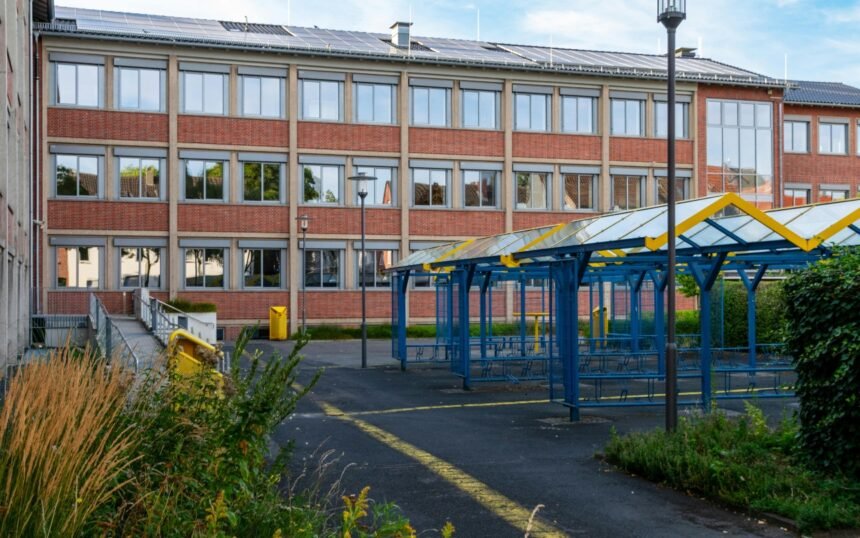
Educational institutions across Gujarat are facing steadily rising electricity costs. From classrooms and computer labs to hostels and research centers, energy consumption in schools and colleges has grown significantly in the last decade.
At the same time, sustainability and climate awareness are becoming integral parts of modern education. This makes solarizing educational institutions in Gujarat not just an energy-saving initiative, but a smart long-term investment in financial stability and student engagement.
By adopting rooftop solar in Gujarat, schools and colleges can reduce operational expenses, promote environmental responsibility, and create real-world learning opportunities for students.
Why Solarizing Educational Institutions in Gujarat Makes Financial Sense
Electricity is one of the largest recurring expenses for educational campuses.
Major Areas of Energy Consumption
- Classroom lighting and fans
- Air conditioning systems
- Computer laboratories
- Science and engineering labs
- Administrative offices
- Libraries
- Hostels and dining halls
Since most academic activities occur during daylight hours, solar installation for schools directly offsets grid electricity usage when sunlight is strongest.
This alignment between solar generation and energy demand makes institutions ideal candidates for rooftop solar systems.
How Rooftop Solar in Gujarat Helps Reduce Electricity Bills
The primary motivation for many institutions is cost reduction.
Immediate Savings
Installing rooftop solar in Gujarat can reduce monthly electricity bills substantially. The solar system supplies power for common operations, decreasing dependence on the grid.
Protection Against Tariff Hikes
Electricity tariffs tend to increase annually. Solar systems, however, provide stable energy costs for 25 years or more. This long-term predictability allows institutions to plan budgets more efficiently.
Better Allocation of Funds
When institutions reduce electricity bills with solar, they can redirect savings toward:
- Infrastructure upgrades
- Scholarships
- Digital learning tools
- Campus improvements
Over time, solar becomes not just a cost-saving measure but a strategic financial asset.
The Step-by-Step Process of Solar Installation for Schools
Implementing solar energy requires structured planning and technical precision.
Step 1: Energy Audit & Feasibility Study
Before installation, experts assess:
- Average monthly electricity consumption
- Peak load requirements
- Rooftop availability
- Structural strength of buildings
This ensures that the system size matches energy needs.
Step 2: System Design & Engineering
Customized solar energy solutions are developed based on:
- Roof orientation
- Shadow analysis
- Expansion plans
- Electrical infrastructure
Proper design maximizes generation efficiency.
Step 3: Approvals & Compliance
Grid-connected systems require:
- Net metering approval
- Electrical safety certification
- Compliance with Gujarat energy regulations
A reliable solar company in Gujarat manages these procedures seamlessly.
Step 4: Installation & Commissioning
The installation process includes:
- Mounting structure setup
- Solar panel placement
- Inverter installation
- Electrical wiring and grounding
- Testing and synchronization with the grid
Once operational, the system begins generating electricity immediately.
Solar Power for Colleges: Supporting Larger Campuses
Colleges and universities often consume higher energy volumes than schools.
High-Demand Facilities
- Research laboratories
- Engineering workshops
- Auditoriums
- Sports complexes
- Hostel accommodations
Installing solar power for colleges significantly offsets operational energy costs.
In large campuses, ground-mounted systems can complement rooftop installations to meet higher demand.
Enhancing Student Engagement Through Solar Energy Solutions
Solarizing educational institutions in Gujarat is not only about saving money. It also creates valuable educational opportunities.
Real-Time Learning Experience
Solar monitoring systems provide live data on:
- Power generation
- Energy savings
- Carbon emission reduction
Students can analyze this data in science and environmental studies classes.
Promoting Sustainability Awareness
A solar-powered campus demonstrates:
- Commitment to renewable energy
- Environmental leadership
- Responsible resource management
Students gain practical exposure to clean energy technologies.
Environmental Benefits of Rooftop Solar in Gujarat
Lower Carbon Emissions
Switching to solar energy significantly reduces the institution’s carbon footprint.
Cleaner Local Environment
Solar systems produce electricity without noise or pollution.
Contribution to State Renewable Goals
By installing solar installation for schools, institutions contribute to Gujarat’s renewable energy targets.
This aligns educational infrastructure with broader sustainability objectives.
Financial Models for Solar Installation for Schools
Institutions can adopt different financing approaches.
1. Direct Investment Model
- Full ownership of the system
- Maximum long-term savings
- Faster return on investment
2. Financing or EMI Model
- Reduced upfront burden
- Installment-based payment
- Savings often exceed EMI amounts
Both models help institutions reduce electricity bills with solar effectively.
Maintenance & Long-Term Reliability
Solar systems are durable but require periodic attention.
Routine Maintenance Includes
- Cleaning solar panels
- Inspecting inverters
- Monitoring system performance
- Electrical safety checks
With regular maintenance, systems maintain efficiency for 25 years or more.
Choosing an experienced solar company in Gujarat ensures long-term service support.
Addressing Common Concerns
Is Solar Installation Safe for Educational Buildings?
Yes. Professional installations follow strict safety standards, including proper grounding and surge protection.
Will Rooftop Solar Affect Building Structure?
Mounting structures are engineered to avoid structural damage when properly installed.
What Happens During Monsoon or Cloudy Days?
The grid supplies electricity as usual. Solar reduces overall grid dependency but does not eliminate it.
Long-Term Institutional Benefits
Solar adoption strengthens institutional reputation.
Improved Brand Image
Environment-conscious students and parents increasingly prefer sustainable campuses.
Competitive Advantage
Solar-powered institutions showcase innovation and responsibility.
Future Expansion Opportunities
Institutions can later integrate:
- Battery energy storage
- Solar-powered EV charging stations
- Smart energy management systems
Solar energy solutions create a foundation for long-term modernization.
Why Partnering with the Right Solar Company in Gujarat Matters
Institutional projects require:
- Technical precision
- Regulatory compliance
- Long-term maintenance commitment
A trusted solar company in Gujarat ensures optimal system performance and reliability.
Proper execution guarantees that the investment continues delivering savings and sustainability benefits for decades.
Conclusion: A Future-Ready Decision for Gujarat’s Education Sector
Solarizing educational institutions in Gujarat is a practical and forward-thinking strategy. It delivers measurable financial savings while empowering students with real-world sustainability exposure.
By investing in rooftop solar in Gujarat, schools and colleges can:
- Reduce electricity bills significantly
- Stabilize operational costs
- Promote environmental responsibility
- Enhance student engagement
Solar energy transforms rooftops into productive assets and campuses into models of clean energy leadership.
For educational institutions seeking long-term savings and meaningful impact, solar is not just an option — it is a smart move toward a sustainable future.