





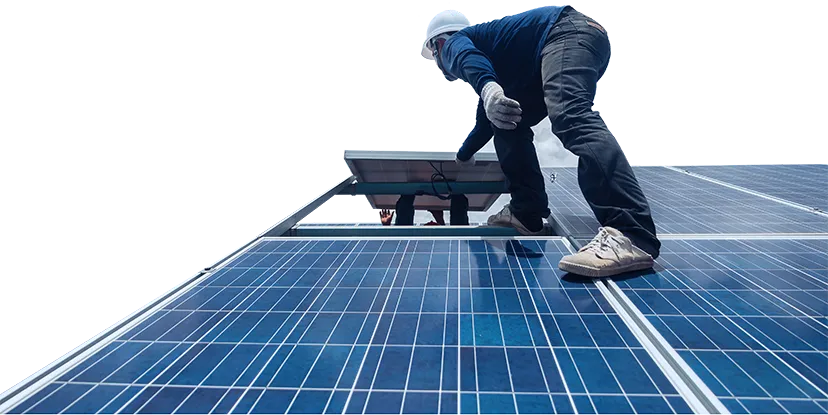

The way homes consume energy is rapidly changing. With rising electricity costs, increasing power demand, and the fast adoption of electric vehicles, homeowners are rethinking how their homes are powered. In cities like Vadodara, where sustainability and modern living are becoming priorities, integrating solar power with EV charging stations is emerging as a smart and future-ready solution.
This approach goes beyond reducing electricity bills. By combining solar energy with EV charging, homeowners can create a self-sufficient, eco-friendly energy ecosystem that supports clean transportation and long-term cost savings.
Why Future-Proofing Homes Is Essential Today
Changing Energy Consumption Patterns
Homes today consume more electricity than ever before. Air conditioning, smart appliances, home offices, and electric vehicles significantly increase power requirements.
Relying entirely on grid electricity exposes homeowners to:
- Rising tariffs
- Power cuts
- Load fluctuations
Solar installation offers a sustainable way to meet these growing demands.
The Rise of Electric Vehicles in Vadodara
Electric vehicle adoption is accelerating across Gujarat, including Vadodara. As more homeowners install EV charging stations at home, electricity demand increases sharply.
Integrating EV charging with solar power ensures that mobility remains clean, affordable, and independent of fluctuating grid costs.
Understanding Solar Power for Residential Homes
How Solar Power Works for Homes
Solar power systems generate electricity by converting sunlight into usable energy through photovoltaic panels. This electricity can be used directly to power household appliances.
With proper solar installation, homes can significantly reduce dependence on utility electricity during daylight hours.
Limitations of Standalone Solar Systems
While solar energy reduces electricity bills, traditional systems without storage or smart load management still depend on the grid during night hours or high consumption periods.
This is where integrating EV charging and energy optimization becomes important.
What Is an EV Charging Station for Home Use?
How Home EV Charging Stations Work
A residential EV charging station supplies electricity to charge electric vehicles safely and efficiently. Compared to regular power sockets, dedicated EV chargers offer faster charging and enhanced safety.
Power Requirements of EV Charging Stations
EV charging stations increase household power demand, especially during peak hours. Without planning, this can lead to higher electricity bills.
Solar power integration ensures EV charging remains cost-effective and sustainable.
Why Combine Solar Energy with EV Charging Stations
Solar Energy Powers Clean Mobility
By using solar energy to charge electric vehicles, homeowners ensure that their transport remains truly green—from generation to consumption.
Reduced Charging Costs
Charging an EV using grid electricity can significantly increase monthly bills. Solar installation allows homeowners to charge vehicles using free energy from the sun.
Lower Grid Dependency
Solar-powered EV charging reduces dependence on the grid, especially during peak tariff hours.
Solar Installation in Vadodara: Why Location Matters
Vadodara’s Solar Potential
Vadodara receives ample sunlight throughout the year, making it ideal for residential solar installation. Homes with suitable rooftops can generate sufficient solar energy to support both household needs and EV charging.
Urban Energy Challenges
As urban energy demand grows, grid pressure increases. Solar services play a vital role in decentralizing power generation and improving energy reliability in cities like Vadodara.
Designing a Solar Power System for EV Charging
Assessing Home Energy Consumption
Before installing solar power with EV charging, homeowners must evaluate:
- Current electricity usage
- EV charging requirements
- Future energy needs
This assessment ensures the system is properly sized.
Choosing the Right Solar Installation Capacity
A higher-capacity solar power system may be required to support EV charging alongside household consumption. Professional solar services help design systems that balance performance and cost.
Role of Smart Inverters and Energy Management
Optimizing Power Distribution
Modern solar inverters intelligently manage energy flow between home appliances, EV chargers, and the grid.
Efficient EV Charging with Solar Energy
Smart systems prioritize EV charging during peak solar generation hours, maximizing the use of solar energy and minimizing grid usage.
Financial Benefits of Solar + EV Charging Integration
Lower Electricity Bills
Solar power significantly reduces household electricity bills, even with EV charging included.
Long-Term Cost Savings
Electric vehicles already reduce fuel expenses. Charging them with solar energy multiplies savings over time.
Protection Against Rising Energy Costs
Solar installation locks in long-term energy stability, shielding homeowners from future tariff increases.
Environmental Impact of Solar-Powered EV Charging
Reduced Carbon Emissions
Using solar energy to charge EVs eliminates emissions associated with conventional electricity generation.
Cleaner Urban Environment
Widespread adoption of solar-powered EV charging contributes to cleaner air and quieter neighborhoods.
Government Policies Supporting Solar Energy and EVs
Support for Residential Solar Installation
Government policies in India encourage solar adoption through subsidies, net metering, and simplified approval processes.
EV Promotion and Infrastructure Growth
EV-friendly policies are accelerating the development of charging infrastructure, making home EV charging more practical than ever.
Common Mistakes to Avoid While Planning Solar + EV Charging
Underestimating Power Requirements
Installing a solar system without accounting for EV charging can limit performance.
Ignoring Future Expansion
Homeowners planning to add more EVs or appliances should consider scalability during solar installation.
Choosing Inexperienced Solar Services
Poor system design can lead to inefficiencies and higher long-term costs.
How Professional Solar Services Ensure Future-Ready Homes
Experienced solar services design systems that:
- Support current and future energy needs
- Optimize solar energy usage
- Ensure safety and compliance
Professional solar installation ensures reliability, efficiency, and long-term value.
The Future of Solar Power and EV Charging in India
As electric vehicles become mainstream, solar-powered homes will set the standard for modern living. Integrating solar power with EV charging stations is no longer optional—it is a strategic move toward energy independence and sustainability.
Cities like Vadodara are well-positioned to lead this transition.
Conclusion
Future-proofing your home means preparing it for changing energy and mobility needs. By integrating solar power with EV charging stations, homeowners in Vadodara can reduce costs, increase energy independence, and contribute to a cleaner environment.
Solar energy is not just powering homes—it is powering the future of mobility.