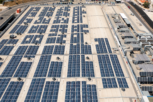







In today’s competitive business landscape, companies are constantly searching for ways to reduce operating costs while improving their reputation and sustainability practices. One solution that is rapidly gaining popularity among businesses across India is solar energy.
Electricity is one of the biggest operational expenses for many organizations. Whether it is a manufacturing unit, commercial office, warehouse, retail outlet, or educational institution, electricity consumption directly impacts the company’s profit margins.
This is where solar for businesses becomes a powerful solution. By installing solar energy systems, companies can generate their own electricity, reduce reliance on grid power, and significantly lower energy expenses.
Beyond financial benefits, adopting renewable energy also helps businesses build a strong green brand image, demonstrating their commitment to sustainability and environmental responsibility.
The Growing Importance of Renewable Energy for Businesses
Businesses around the world are increasingly shifting toward renewable energy solutions. Rising electricity costs, environmental concerns, and government policies encouraging clean energy adoption are key drivers of this transformation.
Companies are now realizing that investing in renewable energy for businesses is not just about sustainability—it is also a smart financial strategy.
Solar energy systems allow organizations to:
- Reduce electricity expenses
- Gain energy independence
- Protect themselves from rising energy tariffs
- Improve environmental credibility
These advantages make solar power one of the most attractive energy solutions for modern businesses.
Why Electricity Costs Are a Major Business Expense
For many commercial and industrial organizations, electricity represents a large portion of operational expenditure.
Industries rely heavily on electricity for:
- Manufacturing processes
- Machinery and automation systems
- Lighting and air conditioning
- IT infrastructure and servers
- Warehouse operations
As energy tariffs continue to increase, businesses are looking for ways to control these costs. Installing commercial solar installation systems allows companies to generate their own power and reduce their dependence on expensive grid electricity.
How Solar Energy Helps Businesses Reduce Operational Costs
Solar energy systems provide long-term financial benefits by lowering electricity bills and stabilizing energy expenses.
Significant Electricity Cost Savings
Solar systems generate electricity using sunlight, which is freely available. This allows businesses to reduce electricity consumption from the grid and lower their monthly bills.
In many cases, companies can reduce electricity bills with solar by up to 70–90%, depending on system capacity and energy consumption patterns.
Protection from Rising Energy Tariffs
Electricity prices tend to increase every year. Solar energy provides a hedge against these rising costs by generating predictable and stable electricity for decades.
High Return on Investment
Most commercial solar systems recover their installation cost within 4 to 6 years. After that, the electricity generated is essentially free, providing long-term financial benefits.
Commercial Solar Installation: How It Works
Installing solar energy systems for businesses involves several steps to ensure optimal performance and energy generation.
Energy Consumption Analysis
The first step is analyzing the business’s electricity usage patterns. This includes evaluating monthly energy consumption, peak demand, and operating hours.
This information helps determine the ideal solar system capacity.
Site Evaluation
Experts assess the available rooftop or open space to determine whether it is suitable for solar panel installation.
Key factors include:
- Roof size and orientation
- Structural strength
- Shading from nearby structures
- Electrical infrastructure compatibility
System Design and Installation
Based on the analysis, engineers design customized solar power solutions tailored to the business’s energy needs.
Once approved, professional teams install solar panels, inverters, and electrical components, ensuring safe and efficient system operation.
Environmental Benefits of Solar Energy for Businesses
Apart from financial advantages, solar energy significantly reduces environmental impact.
Lower Carbon Footprint
Traditional electricity generation relies heavily on fossil fuels such as coal and natural gas. Solar energy, on the other hand, generates electricity without emissions.
By installing solar systems, businesses can dramatically reduce their carbon footprint.
Contribution to Sustainable Development
Businesses that adopt renewable energy play an important role in promoting environmental sustainability and reducing climate change risks.
Compliance with Sustainability Goals
Many organizations are setting sustainability targets and ESG (Environmental, Social, Governance) commitments. Solar energy helps companies achieve these goals effectively.
Building a Strong Green Brand Image
Today’s consumers and stakeholders are increasingly conscious about environmental responsibility. Companies that adopt sustainable practices often gain a competitive advantage.
Improved Brand Reputation
Businesses powered by renewable energy are perceived as responsible and forward-thinking organizations.
This strengthens brand trust and customer loyalty.
Attraction of Environmentally Conscious Customers
Customers prefer to support companies that actively contribute to environmental protection.
Using solar energy demonstrates a company’s commitment to sustainability.
Stronger Corporate Social Responsibility (CSR)
Solar energy projects align with CSR initiatives focused on environmental protection and community development.
Government Support for Commercial Solar Adoption
The Indian government actively encourages businesses to adopt solar energy.
Several policies and initiatives support solar installation in Gujarat and across India, including:
- Net metering policies allowing businesses to export excess electricity to the grid
- Financial incentives and subsidies for renewable energy projects
- Supportive renewable energy policies
These initiatives make solar adoption more affordable and attractive for businesses.
Industries That Benefit Most from Solar Energy
Many types of businesses can benefit from installing solar energy systems.
Manufacturing Units
Factories consume large amounts of electricity for machinery and production processes. Solar systems can significantly reduce operating costs.
Warehouses and Logistics Centers
Large rooftops and daytime operations make warehouses ideal candidates for solar installations.
Commercial Offices
Office buildings with large rooftops can generate a substantial portion of their electricity using solar power.
Educational Institutions
Schools and colleges can reduce electricity expenses while educating students about renewable energy.
Retail and Hospitality
Shopping malls, hotels, and restaurants can use solar energy to power lighting, cooling systems, and kitchen equipment.
Long-Term Reliability of Solar Energy Systems
Modern solar systems are designed to operate efficiently for 25 years or more.
With proper maintenance and monitoring, businesses can rely on solar power for decades.
Solar components are durable and designed to withstand various weather conditions, making them a reliable energy source.
Maintenance Requirements for Commercial Solar Systems
Solar energy systems require minimal maintenance compared to other power generation systems.
Typical maintenance activities include:
- Cleaning solar panels to remove dust and debris
- Inspecting electrical connections
- Monitoring system performance
- Checking inverter functionality
Professional solar services in India ensure that solar installations maintain optimal performance throughout their lifespan.
Choosing the Right Solar Company for Your Business
Selecting an experienced solar provider is critical for successful solar installation.
A trusted solar company in India can provide:
- Accurate energy assessments
- Customized system design
- High-quality solar components
- Professional installation services
- Long-term maintenance support
Working with experienced professionals ensures that businesses receive maximum benefits from their solar investment.
The Future of Solar-Powered Businesses
The transition toward renewable energy is accelerating across industries. Businesses that adopt solar energy early will benefit from reduced operational costs, improved sustainability credentials, and long-term energy security.
As environmental awareness grows and governments promote clean energy initiatives, solar-powered businesses will become the new standard for responsible corporate operations.
Companies that invest in solar power solutions today are not only reducing costs but also contributing to a cleaner and more sustainable future.
Conclusion
Solar energy offers businesses a powerful opportunity to reduce electricity expenses, stabilize energy costs, and strengthen their environmental commitments.
With rising electricity tariffs and growing sustainability expectations, adopting solar for businesses is becoming an essential strategy for long-term growth.
Through commercial solar installation, organizations can generate their own electricity, significantly lower operational costs, and build a strong green brand image.
Investing in solar energy today enables businesses to achieve financial savings while supporting a cleaner and more sustainable energy future.