





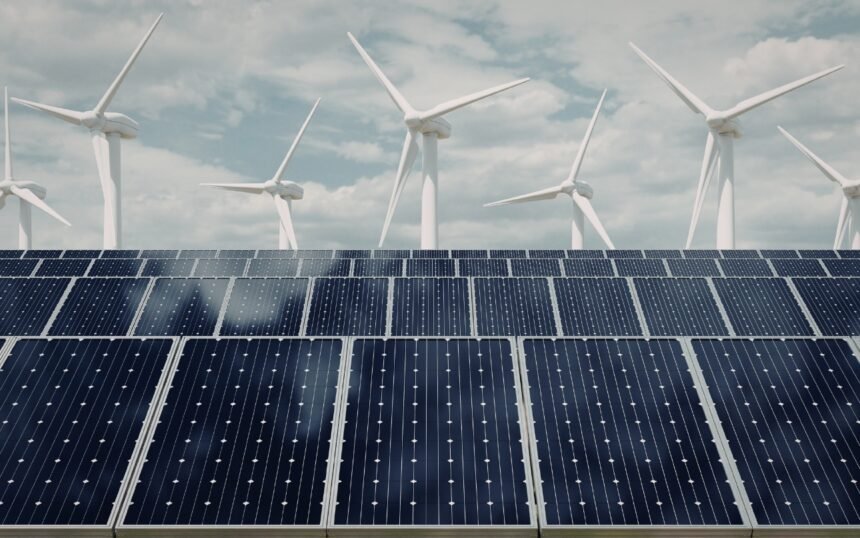
As energy demand continues to grow and climate concerns become more urgent, homeowners and businesses are looking beyond single-source power solutions. In Gujarat, a state known for its progressive renewable energy policies and favorable climate conditions, hybrid renewable systems—combining rooftop solar energy with small wind turbines—are emerging as a powerful solution.
These hybrid systems go beyond conventional solar installation by integrating two renewable sources to ensure consistent power generation, improved reliability, and long-term cost savings. The combination of solar and wind is redefining how energy independence is achieved in Gujarat.
Understanding Hybrid Renewable Energy Systems
What Is a Hybrid Solar System?
A hybrid solar system combines solar energy with another power source—most commonly wind energy—along with smart inverters and, in many cases, battery storage. This setup ensures power generation even when one source is unavailable.
In Gujarat, where sunlight is abundant and wind patterns are favorable in many regions, hybrid systems offer a balanced and resilient energy solution.
Why Hybrid Systems Are Gaining Attention
Relying on a single renewable source can limit energy availability during certain conditions. Solar power depends on sunlight, while wind energy depends on wind speed. Hybrid systems compensate for these variations by ensuring at least one source is generating power at most times.
Why Gujarat Is Ideal for Solar and Wind Hybrid Systems
Strong Solar Potential Across the State
Gujarat receives high solar irradiation throughout the year, making rooftop solar installation highly effective for residential, commercial, and rural applications.
Favorable Wind Conditions in Key Regions
Several parts of Gujarat experience consistent wind flows, particularly during evenings and monsoon seasons—times when solar generation is lower.
Renewable Energy-Friendly Policies
The state’s proactive approach toward renewable energy has created an ecosystem that supports innovative solutions like hybrid solar systems.
How Rooftop Solar Works in a Hybrid Setup
Solar Energy Generation During the Day
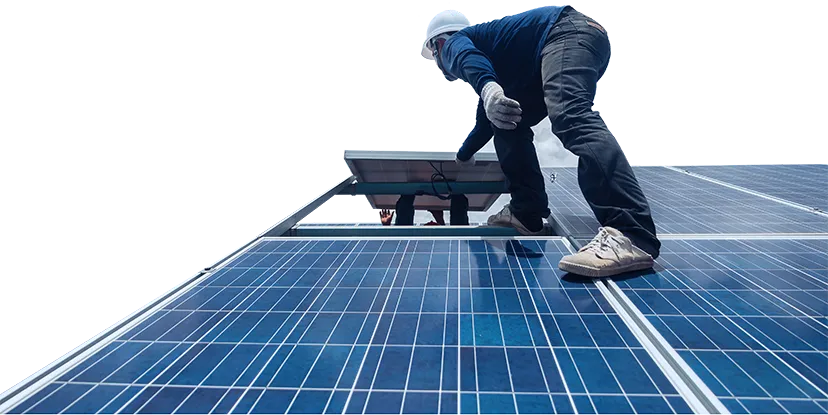
Rooftop solar panels generate electricity during daylight hours, powering homes, businesses, and facilities directly. Excess energy can be stored or fed into the grid, depending on system design.
Limitations of Standalone Rooftop Solar
Traditional rooftop solar systems reduce electricity bills but may struggle during cloudy weather, nighttime, or peak demand hours without storage or backup.
Hybrid integration addresses these limitations.
Role of Small Wind Turbines in Hybrid Systems
How Small Wind Turbines Generate Power
Small wind turbines convert wind energy into electricity and can operate day and night as long as wind speed is sufficient.
Complementing Solar Energy
Wind generation often peaks during periods when solar output is low—such as evenings or monsoon seasons—making it an excellent complement to solar energy.
How Hybrid Solar and Wind Systems Work Together
Smart Energy Management
Hybrid systems use advanced inverters and controllers to manage power from both solar panels and wind turbines efficiently.
Optimized Power Supply
The system prioritizes renewable energy usage, reducing reliance on grid electricity and improving energy consistency.
Integration with Battery Storage
Many hybrid solar systems include battery storage to store surplus energy for use during low-generation periods.
Benefits of Hybrid Renewable Systems in Gujarat
1. Increased Energy Reliability
Combining solar energy and wind power reduces dependency on a single energy source, ensuring more consistent power generation.
2. Higher Renewable Energy Utilization
Hybrid systems maximize the use of available natural resources, increasing overall renewable energy output.
3. Reduced Electricity Bills
With optimized solar installation and wind integration, grid consumption is significantly reduced, leading to long-term savings.
4. Better Performance in Variable Weather
Hybrid systems perform well across seasons, especially during monsoons when solar output may decline but wind generation increases.
Solar Installation Considerations for Hybrid Systems
Site Assessment and Feasibility
Before installing a hybrid system, a detailed site assessment is required to evaluate:
- Roof space for solar panels
- Wind availability and obstruction levels
- Structural safety
System Sizing and Design
Proper sizing ensures balanced power generation from both solar and wind sources. Professional solar services play a crucial role in system optimization.
Cost Factors for Hybrid Solar Systems
Initial Investment
Hybrid systems typically require a higher upfront investment compared to standalone solar installation due to additional equipment like wind turbines and controllers.
Long-Term Financial Benefits
Despite higher initial costs, hybrid systems deliver improved energy output and faster returns through consistent power generation and reduced grid usage.
Environmental Impact of Solar and Wind Hybrid Systems
Lower Carbon Emissions
Hybrid renewable systems significantly reduce greenhouse gas emissions by replacing fossil-fuel-based electricity.
Sustainable Energy for Future Generations
By using two renewable sources, hybrid systems promote long-term sustainability and responsible energy consumption.
Common Challenges in Hybrid System Adoption
Space and Structural Requirements
Wind turbines require proper clearance and structural support, which may limit feasibility in dense urban areas.
Need for Expert Solar Services
Hybrid systems demand advanced technical expertise. Poor design can lead to inefficiencies and underperformance.
Role of Professional Solar Services in Hybrid Projects
Customized System Design
Experienced solar services tailor hybrid systems based on local climate, energy needs, and site conditions.
Safe and Compliant Installation
Professional solar installation ensures safety standards, electrical compliance, and long-term reliability.
Performance Monitoring and Support
Ongoing monitoring helps maintain optimal system performance throughout the year.
The Future of Hybrid Renewable Energy in Gujarat
As energy demands grow and climate challenges intensify, hybrid renewable systems will play a critical role in Gujarat’s clean energy transition. Combining rooftop solar with small wind turbines offers a resilient, efficient, and future-ready energy solution.
Hybrid systems are not just an alternative—they represent the next evolution of renewable energy.
Conclusion
The rise of hybrid systems combining rooftop solar energy with small wind turbines marks a significant step toward energy independence in Gujarat. By leveraging both solar and wind resources, homeowners and businesses can achieve reliable power, reduced electricity costs, and environmental sustainability.
Hybrid renewable systems demonstrate that the future of energy lies in intelligent integration—not reliance on a single source.