




The rapid growth of e-commerce, manufacturing, and logistics industries has significantly increased the demand for large warehouse facilities across India. Cities like Vadodara are emerging as major logistics and industrial hubs due to their strategic location, strong infrastructure, and connectivity to major industrial corridors.
However, with this growth comes rising operational costs—especially electricity consumption. Warehouses require substantial energy for lighting, ventilation, material handling equipment, cold storage, and security systems.
This is where the concept of green warehousing in Vadodara is gaining momentum. By integrating rooftop solar for warehouses along with energy-efficient building design, logistics hubs can significantly reduce operational costs while contributing to environmental sustainability.
Green warehousing is no longer just an environmental initiative—it is a smart financial strategy that helps businesses improve efficiency and long-term profitability.
Understanding Green Warehousing
Green warehousing refers to the design and operation of warehouses in a way that minimizes environmental impact while improving operational efficiency.
Modern green warehouses focus on:
- Energy-efficient building structures
- Renewable energy integration
- Smart lighting systems
- Natural ventilation and daylight utilization
- Sustainable construction materials
When combined with solar installation in Vadodara, these strategies transform warehouses into highly efficient and cost-effective facilities.
Why Warehouses Are Ideal for Rooftop Solar
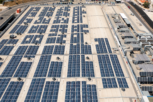
Large warehouses offer one of the best opportunities for solar energy generation because of their extensive roof areas.
Large Roof Surfaces
Warehouses typically have wide, unobstructed rooftops that receive maximum sunlight exposure throughout the day. These surfaces are perfect for installing solar panels without major structural modifications.
Daytime Energy Consumption
Most warehouse operations take place during daytime hours, which aligns perfectly with solar power generation.
This means that rooftop solar for warehouses can directly power operations when electricity demand is highest.
High Electricity Consumption
Logistics hubs use electricity for several essential operations:
- High-intensity LED lighting systems
- HVAC and ventilation systems
- Automated conveyor belts
- Packaging machinery
- Cold storage units
Solar power can offset a significant portion of this energy demand, helping companies reduce electricity bills with solar.
The Financial Benefits of Solar Energy for Logistics Hubs
Electricity costs are a major component of warehouse operational expenses. Installing solar energy systems can dramatically reduce these costs.
Lower Monthly Energy Bills
By generating electricity onsite, warehouses reduce their dependence on grid power. Solar energy offsets daytime electricity consumption, leading to significant monthly savings.
Long-Term Energy Cost Stability
Electricity tariffs often increase every year. Solar systems, however, provide predictable energy costs for decades.
A properly designed solar system can generate power efficiently for 25 years or more, protecting businesses from rising energy prices.
Faster Return on Investment
Many warehouse solar projects achieve payback within 4–6 years, after which the energy generated is essentially free.
For logistics companies operating large facilities, this results in massive long-term financial benefits.
Rooftop Solar for Warehouses: How the Installation Process Works
Installing solar panels on warehouse rooftops involves several carefully planned steps.
Energy Assessment and Feasibility Study
The process begins with analyzing the facility’s electricity consumption patterns.
Experts evaluate:
- Monthly energy usage
- Peak power demand
- Available rooftop space
- Structural strength of the building
This analysis helps determine the optimal system size.
System Design and Engineering
Customized solar power solutions are developed based on warehouse infrastructure.
Design considerations include:
- Panel orientation for maximum sunlight exposure
- Structural mounting systems
- Inverter configuration
- Electrical safety standards
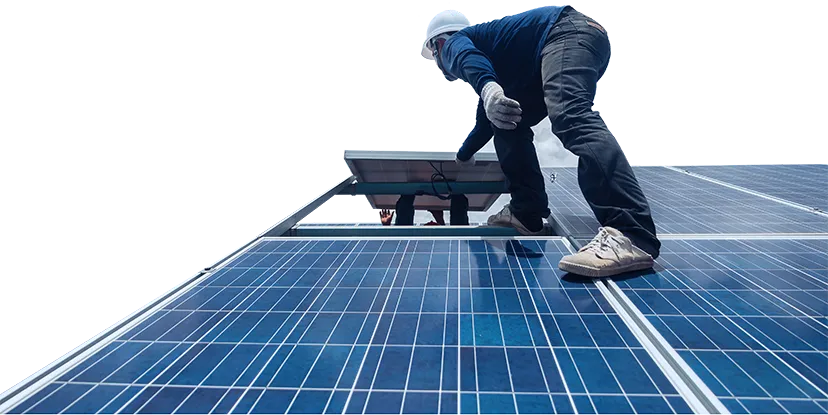
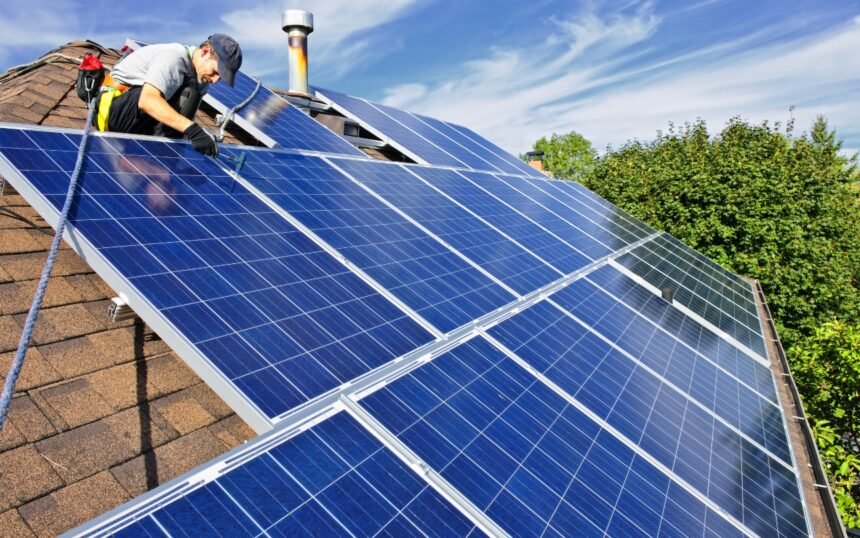
Installation and Commissioning
Once approvals are completed, the installation process begins.
This includes:
- Mounting solar structures
- Installing solar panels
- Connecting inverters and electrical systems
- Testing system performance
After commissioning, the system starts generating electricity immediately.
Energy-Efficient Warehouse Design for Green Warehousing
In addition to solar energy, several design improvements can further enhance warehouse efficiency.
Natural Daylighting
Installing skylights or translucent roof panels allows natural sunlight to illuminate warehouse interiors.
This reduces the need for artificial lighting during the day.
Energy-Efficient LED Lighting
Replacing traditional lighting systems with LED technology significantly reduces electricity consumption.
Smart lighting systems with motion sensors further improve efficiency.
Smart Ventilation Systems
Modern warehouses use natural ventilation designs to reduce reliance on energy-intensive cooling systems.
Proper airflow improves worker comfort while reducing electricity use.
Environmental Benefits of Green Warehousing
Green warehousing contributes to sustainability in several ways.
Lower Carbon Emissions
Solar energy reduces dependence on fossil fuel-based electricity, helping companies reduce their carbon footprint.
Sustainable Industrial Growth
As logistics networks expand across India, green infrastructure ensures that industrial development remains environmentally responsible.
Compliance with Environmental Standards
Many corporations are adopting sustainability goals as part of their Environmental, Social, and Governance (ESG) commitments.
Solar-powered warehouses align perfectly with these objectives.
Vadodara’s Growing Logistics Infrastructure
Vadodara is rapidly emerging as a key logistics and industrial hub in Gujarat.
Several factors are driving this growth:
- Strategic location between Ahmedabad and Mumbai
- Strong highway connectivity
- Proximity to major manufacturing zones
- Access to ports and industrial corridors
As logistics infrastructure expands, integrating green warehousing in Vadodara becomes increasingly important for sustainable industrial growth.
Solar-powered warehouses offer a competitive advantage by reducing operational costs and improving energy efficiency.
Maintenance and Performance Monitoring
Solar systems installed on warehouses require minimal maintenance but benefit from regular inspection and monitoring.
Key maintenance activities include:
- Cleaning solar panels
- Checking electrical connections
- Monitoring system performance
- Inspecting inverters and safety equipment
Professional solar services in Vadodara ensure that solar installations continue delivering maximum efficiency throughout their lifespan.
The Future of Sustainable Logistics
The logistics industry is undergoing a major transformation as companies adopt sustainable infrastructure.
Future warehouses are expected to integrate:
- Rooftop solar power systems
- Smart energy management platforms
- Electric vehicle charging stations
- Battery energy storage systems
- Automated energy monitoring systems
These technologies will create energy-efficient logistics ecosystems that reduce operational costs while supporting environmental sustainability.
Why Choosing the Right Solar Company Matters
Installing solar systems for warehouses requires expertise in large-scale energy infrastructure.
An experienced solar company in Vadodara can provide:
- Accurate system design
- Reliable installation services
- Compliance with safety regulations
- Long-term maintenance support
Working with experienced solar professionals ensures that warehouse solar projects deliver maximum financial and operational benefits.
Conclusion
Green warehousing represents the future of sustainable logistics infrastructure. By combining energy-efficient building design with rooftop solar for warehouses, businesses can dramatically reduce electricity expenses while improving environmental performance.
For logistics hubs in Vadodara, adopting solar energy is a strategic move that offers long-term financial savings, operational efficiency, and sustainability benefits.
As energy costs continue to rise and environmental awareness grows, solar-powered warehouses will become a defining feature of modern logistics networks.
Businesses that invest in green warehousing in Vadodara today will gain a significant competitive advantage while contributing to a cleaner and more sustainable energy future.