



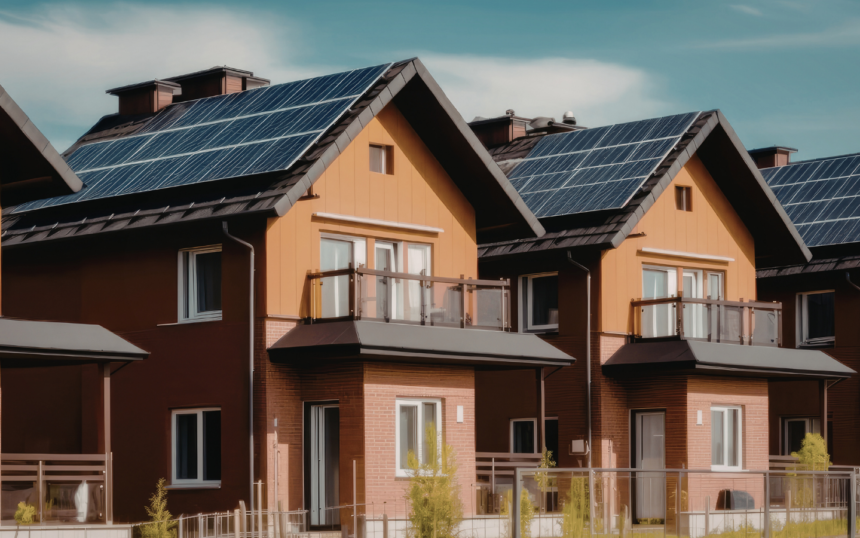
For businesses investing in solar energy, the success of a project depends on much more than simply installing solar panels on a rooftop. A high-performing solar system requires careful planning, engineering precision, quality components, and professional execution.
This is where Solar EPC services play a critical role. EPC stands for Engineering, Procurement, and Construction, a comprehensive project delivery model used in large-scale solar installations.
In a commercial solar project, EPC providers handle everything—from initial planning and system design to installation, testing, and commissioning.
In this article, we take a behind-the-scenes look at a typical 100kW commercial solar EPC project, explaining each stage of the process and how professional solar companies ensure long-term performance and reliability.
What Is a Solar EPC Project?
A solar EPC project is a complete solar installation delivered by a single provider responsible for designing, supplying, and installing the solar power system.
EPC providers manage every aspect of the project, including:
- Technical system design
- Procurement of solar components
- Installation and construction
- Electrical integration
- Testing and commissioning
For businesses installing industrial rooftop solar systems, EPC services simplify the entire process by providing a single point of accountability.
Why Businesses Choose Commercial Solar Systems
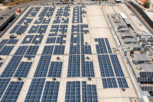
Commercial and industrial facilities often have large rooftops that can generate significant amounts of solar electricity.
Installing commercial solar systems provides several advantages:
Reduced Operational Costs
Electricity is a major operational expense for many businesses. Solar power can significantly reduce these energy costs.
Long-Term Energy Price Stability
Solar energy protects businesses from rising electricity tariffs.
Environmental Sustainability
Companies can reduce their carbon footprint and strengthen their green brand image.
Faster Return on Investment
Commercial solar projects often achieve strong financial returns due to high electricity consumption levels.
A 100kW commercial solar installation is one of the most common system sizes for medium-sized businesses.
Step 1: Initial Site Survey and Energy Assessment
Every solar EPC project begins with a detailed site survey.
During this stage, engineers evaluate the facility to determine whether the location is suitable for solar installation.
Key Factors Assessed
Engineers typically examine:
- Rooftop space availability
- Structural strength of the building
- Sunlight exposure and shading
- Current electricity consumption patterns
- Electrical infrastructure compatibility
This assessment helps determine the ideal system size and configuration.
For a 100kW commercial solar system, rooftop space of approximately 8,000–10,000 square feet may be required depending on panel efficiency.
Step 2: Solar Power System Design and Engineering
Once the site survey is completed, engineers move to the solar power system design phase.
This stage focuses on creating an optimized system layout that maximizes energy generation.
Engineering Design Includes
- Solar panel placement layout
- Electrical wiring design
- Inverter configuration
- Mounting structure design
- Safety and protection systems
Advanced software tools are often used to simulate solar energy production and evaluate system performance.
This ensures the final design delivers maximum efficiency and long-term reliability.
Step 3: Procurement of Solar Components
After the design is finalized, the EPC provider begins the procurement process.
This stage involves sourcing high-quality solar components required for the project.
Major Components Procured
Typical components for a 100kW solar plant installation include:
- High-efficiency solar panels
- Solar inverters
- Mounting structures
- AC and DC distribution boxes
- Electrical cables and connectors
- Monitoring systems
The quality of these components plays a crucial role in system performance and lifespan.
Reliable suppliers and certified equipment are essential for ensuring consistent energy generation over the system’s 25-year lifespan.
Step 4: Mounting Structure Installation
Before solar panels can be installed, the mounting structures must be securely placed on the rooftop.
Mounting structures hold solar panels at the correct tilt and orientation to capture maximum sunlight.
Types of Mounting Structures
For industrial rooftops, the most common structures include:
- Fixed tilt structures
- Elevated structures for maintenance access
- Ballasted structures for flat rooftops
The structural installation must ensure safety, durability, and resistance to wind loads.
Proper structural engineering ensures that the solar system remains stable even under harsh weather conditions.
Step 5: Solar Panel Installation
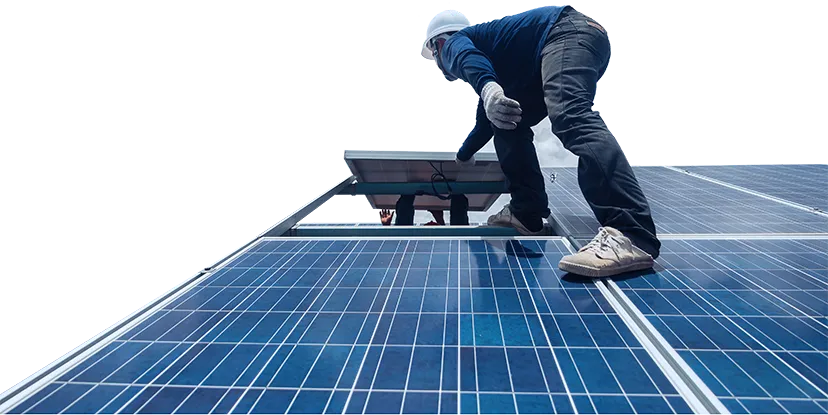
Once the mounting structures are ready, technicians begin installing the solar panels.
Panels are carefully positioned according to the system design to ensure maximum sunlight exposure.
Key Installation Considerations
During installation, teams ensure:
- Proper panel alignment
- Secure fastening of modules
- Accurate spacing for airflow
- Protection from shading
Correct installation is essential for achieving the expected energy output.
Step 6: Electrical Wiring and System Integration
After solar panels are installed, electrical wiring connects all system components.
This stage integrates the solar system with the building’s electrical infrastructure.
Electrical Integration Includes
- DC wiring from panels to inverters
- AC wiring from inverters to distribution panels
- Installation of protection devices
- Grounding and lightning protection systems
Safety and compliance with electrical standards are critical during this stage.
Professional solar project engineering ensures that the system operates safely and efficiently.
Step 7: Solar Inverter Installation
The inverter is one of the most important components of a solar power system.
It converts direct current (DC) electricity generated by solar panels into alternating current (AC) electricity used by commercial equipment.
Role of the Solar Inverter
The inverter also:
- Optimizes system performance
- Monitors energy production
- Protects the system from electrical faults
Modern solar inverters often include smart monitoring features for real-time performance tracking.
Step 8: Testing and Commissioning
Once installation is complete, the solar system undergoes a thorough testing and commissioning process.
This stage ensures that all components function correctly before the system becomes operational.
Commissioning Activities Include
- Electrical safety testing
- Performance verification
- System calibration
- Monitoring system configuration
After successful testing, the system is connected to the grid and begins generating electricity.
Step 9: Monitoring and Performance Optimization
After commissioning, ongoing monitoring ensures that the solar system continues to perform efficiently.
Modern industrial rooftop solar systems often include digital monitoring platforms that track:
- Energy generation
- System performance
- Fault alerts
- Historical data
This helps operators quickly detect and resolve issues.
Step 10: Operation and Maintenance (O&M)
Even though solar systems require minimal maintenance, regular servicing ensures optimal performance.
Typical solar plant maintenance activities include:
- Cleaning solar panels
- Inspecting electrical connections
- Checking inverter performance
- Monitoring system output
Professional maintenance services help maximize energy generation and extend system lifespan.
Financial Impact of a 100kW Commercial Solar System
A 100kW solar system can generate a significant amount of electricity annually depending on location and sunlight conditions.
This energy production can reduce grid electricity consumption, resulting in substantial cost savings for businesses.
Key Financial Benefits
- Lower electricity bills
- Protection against rising energy costs
- Attractive return on investment
- Long-term operational savings
Many businesses recover their investment within several years while continuing to benefit from free solar energy afterward.
Why Professional EPC Services Matter
A commercial solar project involves multiple technical stages that require specialized expertise.
Choosing experienced solar EPC services ensures:
- Accurate system design
- Quality equipment procurement
- Safe and efficient installation
- Reliable long-term performance
Professional EPC providers also handle regulatory approvals and technical compliance.
Conclusion
A 100kW commercial solar installation is a powerful investment for businesses seeking to reduce energy costs and transition toward sustainable operations.
However, the success of such projects depends heavily on proper engineering, quality components, and expert installation.
From initial site assessment to system commissioning and maintenance, every stage of a solar EPC project plays a crucial role in delivering reliable and efficient solar power generation.
With professional EPC execution, businesses can confidently adopt solar energy and enjoy decades of clean, cost-effective electricity.