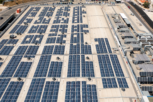

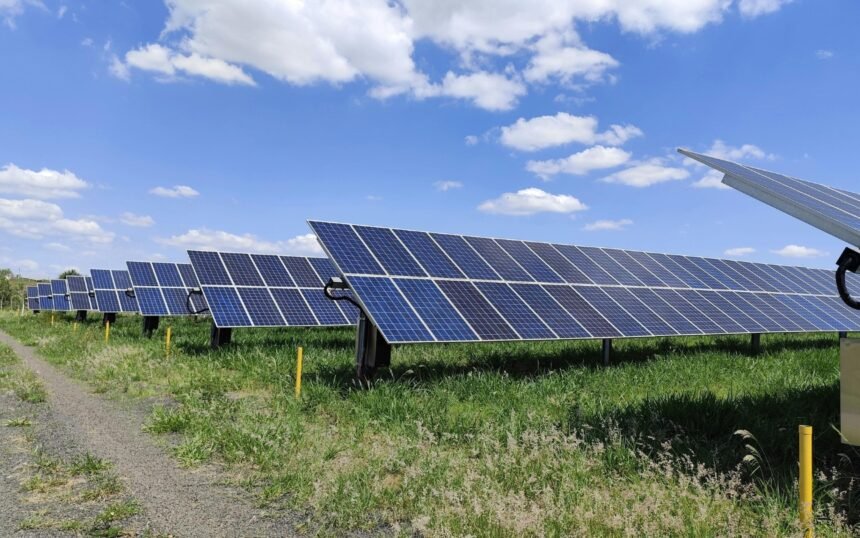
Solar energy has become one of the fastest-growing sources of electricity worldwide. As solar installations expand from small rooftop systems to massive solar parks spanning hundreds of acres, managing these large-scale facilities has become increasingly complex.
Operating a solar park involves continuous monitoring, maintenance, and performance optimization to ensure that every panel, inverter, and electrical component functions efficiently. Even minor inefficiencies can lead to significant power losses when multiplied across thousands of solar panels.
This is where Artificial Intelligence (AI) is revolutionizing the renewable energy sector. By combining advanced data analytics, machine learning algorithms, and real-time monitoring systems, AI is helping solar companies improve plant performance, reduce maintenance costs, and maximize energy generation.
In this article, we explore how AI in solar energy is transforming the operations and maintenance of large-scale solar parks and why intelligent technology is becoming essential for the future of solar power solutions.
Understanding Solar Park Operations and Maintenance
Large-scale solar parks require a structured approach to operations and maintenance (O&M) to maintain optimal performance throughout their lifecycle.
Solar park O&M typically involves several key responsibilities:
- Monitoring solar panel performance
- Inspecting inverters and electrical systems
- Detecting faults and system anomalies
- Scheduling preventive maintenance
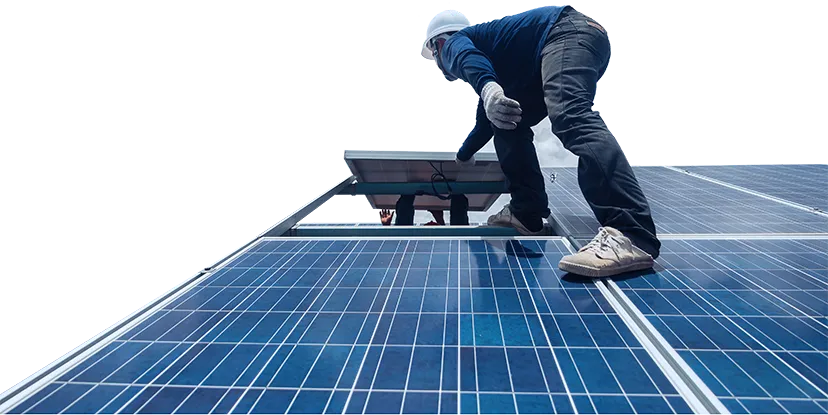
- Cleaning and maintaining solar modules
- Ensuring grid connectivity and stability
Without proper monitoring and maintenance, solar plants can lose a significant percentage of their energy generation capacity.
The Challenge of Managing Large Solar Parks
Large solar parks may contain:
- Thousands or even millions of solar panels
- Hundreds of inverters
- Complex electrical infrastructure
- Multiple monitoring systems
Manually monitoring every component in such a large facility is not practical. This is why advanced digital technologies, including artificial intelligence, are becoming critical for solar plant performance optimization.
How Artificial Intelligence is Transforming Solar Energy Monitoring
Artificial Intelligence enables solar plant operators to analyze vast amounts of data generated by solar systems. Modern solar parks use sensors and monitoring devices that continuously collect performance data.
AI systems process this data to detect patterns, predict failures, and optimize plant operations.
Real-Time Performance Monitoring
AI-powered monitoring systems track key performance metrics such as:
- Power generation levels
- Solar irradiance
- Panel temperature
- Inverter performance
- Grid interaction data
By analyzing this data in real time, AI systems can quickly identify performance deviations and alert operators.
This proactive monitoring helps prevent energy losses and improves system reliability.
Predictive Maintenance in Solar Parks
One of the most powerful applications of AI in solar energy is predictive maintenance.
Traditional maintenance approaches often rely on scheduled inspections or reactive repairs when equipment fails. However, this method can lead to unexpected downtime and reduced energy production.
How Predictive Maintenance Works
AI algorithms analyze historical system data and identify patterns that indicate potential equipment failures.
For example, AI can detect early warning signs such as:
- Inverter performance fluctuations
- Voltage irregularities
- Temperature abnormalities in panels
- Gradual efficiency drops
Once detected, maintenance teams can address the issue before it becomes a major problem.
Benefits of Predictive Maintenance
Predictive maintenance offers several advantages:
- Reduced system downtime
- Lower maintenance costs
- Improved plant reliability
- Longer equipment lifespan
- Higher energy generation
By preventing failures before they occur, solar parks can operate more efficiently.
AI for Solar Plant Performance Optimization
Another major benefit of artificial intelligence in solar power systems is performance optimization.
Even small inefficiencies across thousands of panels can lead to large energy losses over time.
AI systems help optimize solar plant performance by analyzing multiple factors simultaneously.
Panel-Level Performance Analysis
AI software can monitor the performance of individual solar panels or panel groups.
If one section of the solar park generates less electricity than expected, the system can quickly identify the cause, which may include:
- Dust accumulation
- Shading issues
- Faulty wiring
- Damaged modules
This targeted approach allows operators to resolve issues quickly and restore full system efficiency.
Intelligent Energy Forecasting
AI also enables accurate energy forecasting by analyzing weather patterns, historical performance data, and solar irradiance levels.
This helps operators predict daily and seasonal power generation levels.
Energy forecasting is especially important for grid integration, ensuring that power supply remains stable and predictable.
Drone Technology and AI-Based Solar Inspections
Inspecting large solar parks manually can take days or even weeks. AI-powered drones are now transforming how solar plants are inspected.
Thermal Imaging with AI
Drones equipped with thermal cameras capture high-resolution images of solar panels.
AI software analyzes these images to detect:
- Hotspots in solar panels
- Microcracks in modules
- Electrical faults
- Underperforming panels
This technology allows operators to inspect thousands of panels quickly and accurately.
Faster Fault Detection
Traditional inspections require technicians to physically inspect solar arrays. AI-driven drone inspections reduce inspection time dramatically while improving accuracy.
This helps maintenance teams address issues faster and maintain optimal plant performance.
Smart Data Analytics for Solar O&M Services
Solar parks generate enormous amounts of operational data every day. AI-based analytics platforms transform this raw data into actionable insights.
Key Insights Generated by AI Systems
AI-based monitoring systems provide insights such as:
- Daily performance trends
- Energy generation forecasts
- Maintenance recommendations
- Fault detection alerts
- Efficiency improvement opportunities
These insights allow solar companies to optimize plant operations continuously.
Cost Savings Through Intelligent Solar Maintenance
Operations and maintenance costs are one of the largest ongoing expenses for large solar parks.
AI-driven O&M services help reduce these costs in several ways:
- Preventing major equipment failures
- Reducing manual inspection requirements
- Minimizing downtime
- Optimizing cleaning schedules
- Improving workforce efficiency
By automating monitoring and diagnostics, AI significantly reduces operational expenses.
The Growing Role of Digital Technology in Solar Power Solutions
The future of solar energy lies at the intersection of renewable power and digital intelligence.
Modern solar plants are increasingly integrating technologies such as:
- Artificial Intelligence
- Internet of Things (IoT) sensors
- Advanced monitoring software
- Drone inspection systems
- Data analytics platforms
Together, these technologies create smart solar ecosystems capable of self-monitoring and self-optimizing operations.
The Future of AI in Solar Energy
Artificial intelligence will continue to play an increasingly important role in the renewable energy sector.
Future advancements may include:
- Fully autonomous solar plant monitoring
- Self-healing electrical systems
- AI-powered energy trading platforms
- Advanced weather prediction for solar forecasting
- Robotic solar panel cleaning systems
These innovations will make solar power generation more efficient, reliable, and cost-effective.
A Solar Industry Perspective
As solar energy adoption grows across residential, commercial, and industrial sectors, the need for intelligent plant management systems is becoming more important.
Companies involved in solar power solutions are increasingly exploring advanced technologies like artificial intelligence to improve solar plant efficiency and reliability.
By integrating digital monitoring tools, predictive maintenance systems, and advanced analytics, solar providers can ensure that solar installations deliver maximum performance throughout their lifecycle.
The combination of renewable energy and intelligent technology represents the next evolution of the solar industry.
Conclusion
Artificial Intelligence is transforming the way solar parks are managed and maintained. From predictive maintenance to performance optimization and real-time monitoring, AI is helping solar operators maximize energy production while reducing operational costs.
For large-scale solar parks, even small efficiency improvements can result in significant energy gains. AI-driven solar monitoring and analytics provide the tools needed to achieve these improvements consistently.
As the solar industry continues to grow, the integration of intelligent technologies will become essential for maintaining reliable and efficient solar power solutions.
By embracing innovation and advanced digital systems, the renewable energy sector is building a smarter and more sustainable energy future.