




For decades, electricity for Indian households has meant rising bills, unpredictable power cuts, and complete dependence on the grid. But that equation is changing fast. Today, homeowners are looking beyond monthly savings and moving toward true energy independence using solar energy combined with battery backup systems.
Solar installation is no longer just about lowering electricity bills. With the addition of battery storage, a home solar system can deliver uninterrupted power, long-term financial security, and freedom from grid instability. This shift is transforming how Indian homes consume and control energy.
Understanding Energy Independence in the Indian Context
What Does Energy Independence Really Mean?
Energy independence means generating, storing, and using your own electricity without relying entirely on external power sources. For homeowners, this translates into:
- Reduced dependency on utility electricity
- Protection from power outages
- Control over energy costs
- Stable power during peak demand hours
With modern solar energy systems and battery backup, homes can operate even when the grid fails.
Why Energy Independence Is Becoming a Priority
India’s electricity demand continues to rise, while grid reliability varies widely across regions. Frequent outages, voltage fluctuations, and tariff hikes have pushed homeowners to explore alternative energy solutions.
Solar services now focus not only on generation but also on storage and smart energy usage, making independence achievable for residential users.
How Solar Energy Powers Modern Homes
The Role of Solar Energy in Residential Power
Solar energy converts sunlight into electricity using photovoltaic panels. A standard home solar system supplies power during the day, directly running household appliances.
However, without storage, excess energy is either exported to the grid or wasted. This is where battery backup changes everything.
Why Solar Installation Alone Is Not Enough
Traditional solar installation reduces bills but doesn’t fully eliminate grid dependence. At night or during outages, homes still rely on utility power.
By integrating solar battery backup, homeowners store surplus solar energy and use it whenever needed—day or night.
What Is a Solar Battery Backup System?
How Solar Battery Backup Works
A solar battery backup system stores excess electricity generated by solar panels during daylight hours. This stored energy is then used:
- During power cuts
- At night
- During peak tariff hours
The system works automatically, ensuring seamless power supply without manual switching.
Key Components of Solar + Battery Systems
- Solar panels for power generation
- Solar inverter to manage power flow
- Battery storage for energy backup
- Energy management system for optimization
Together, these components create a self-sufficient home solar system.
Benefits of Solar Energy with Battery Backup for Homeowners
1. Uninterrupted Power Supply
One of the biggest advantages of solar battery backup is continuous electricity. Homes remain powered during grid failures, storms, or load shedding.
2. Major Reduction in Electricity Bills
With optimized solar installation, homeowners can reduce electricity bills by up to 80–90%. Stored energy further minimizes grid usage during expensive peak hours.
3. Protection from Rising Tariffs
Electricity costs in India are expected to rise steadily. Solar energy locks in long-term savings by producing free power from sunlight.
4. Greater Control Over Energy Usage
Solar battery systems allow homeowners to manage when and how energy is used, ensuring maximum efficiency.
Solar Installation in India: Why Storage Is the Next Big Step
Changing Residential Energy Needs
Modern homes use more electricity than ever—air conditioners, electric vehicles, smart devices, and home offices increase power demand.
Solar services now emphasize storage because:
- Consumption doesn’t stop after sunset
- Grid reliability varies by location
- Backup generators are costly and polluting
Battery Backup vs Traditional Inverters
Unlike conventional inverters, solar battery systems store renewable energy instead of drawing from the grid. This makes them cleaner, quieter, and more cost-effective in the long run.
Financial Perspective: Is Solar + Battery Worth It?
Initial Cost vs Long-Term Savings
While solar battery systems require a higher upfront investment, the lifetime savings far outweigh the cost. Reduced bills, lower diesel usage, and minimal maintenance create strong returns over time.
Payback Period for Home Solar Systems
Most residential solar installations with battery backup recover costs within 4–7 years, depending on usage and system size. With warranties extending up to 25 years, homeowners enjoy decades of free power.
Environmental Impact of Energy Independence
Lower Carbon Footprint
Solar energy significantly reduces carbon emissions by replacing fossil-fuel-based electricity.
Sustainable Living for Future Generations
Homes powered by solar services contribute to cleaner air, reduced pollution, and energy sustainability.
Government Support for Solar Installation in India
Subsidies and Incentives
The Indian government actively promotes residential solar adoption through subsidy programs and supportive policies. These incentives make solar energy more affordable for homeowners.
Why Government-Approved Solar Installation Matters
Certified installations ensure safety, performance reliability, and eligibility for financial benefits.
Choosing the Right Solar Services for Your Home
Factors to Consider
- Quality of solar panels and batteries
- System customization based on usage
- Warranty and performance assurance
- Post-installation support
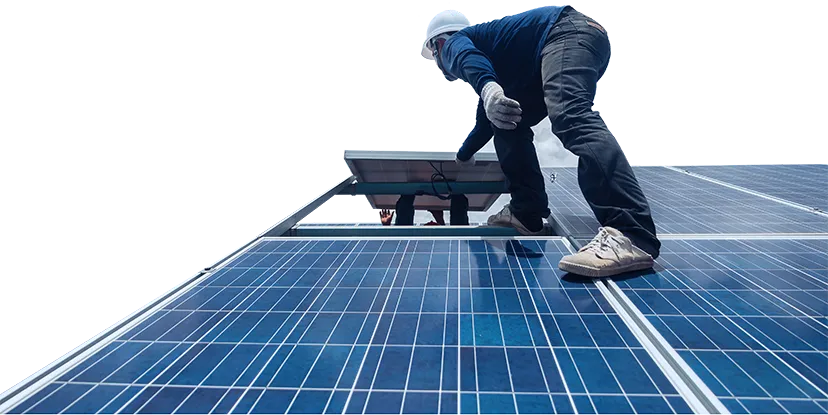
Importance of Professional Solar Installation
Expert design and installation ensure maximum energy generation, optimal battery usage, and long-term system reliability.
The Future of Home Energy Independence
Solar energy combined with battery backup is redefining residential power in India. As technology advances and costs continue to decline, energy independence will become the norm rather than the exception.
Homeowners are no longer just saving money—they are taking control of their energy future.
Conclusion
Energy independence is no longer a distant goal for Indian homeowners. With solar installation and battery backup, homes can achieve reliable power, financial security, and environmental responsibility. Moving beyond bills, solar energy empowers families to live smarter, cleaner, and more resilient lives.